
WhatsApp Image 2025-02-10 at 2.03.34 PM

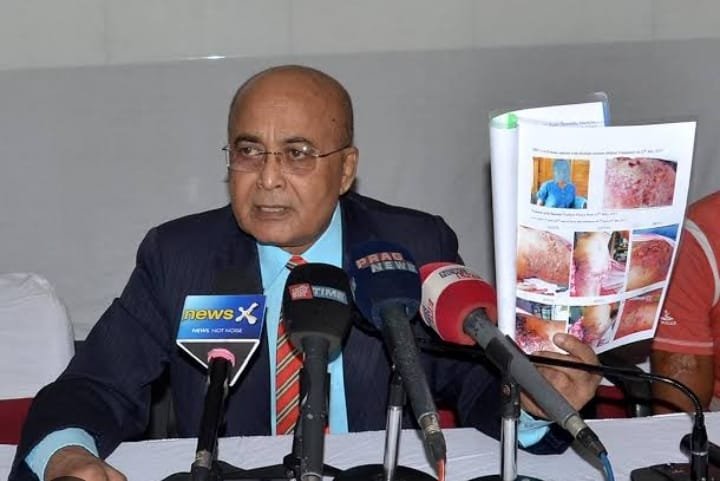
Dr. Baruah Honored with the Global Cardiac Innovation Award

Last week, the World Heart Federation presented its prestigious Global Cardiac Innovation Award to Dr. Dhani Ram Baruah in recognition of his transformative contributions to cardiac surgery, xenotransplantation, and genetic medicine. This honor celebrates a career defined by bold research, groundbreaking technologies, and an unwavering commitment to saving lives.


A Legacy of Breakthroughs

Dr. Baruah’s journey began in Assam Medical College, Dibrugarh, where he first dreamed of redefining the boundaries of heart surgery. Over the past four decades, he has:

  • Pioneered Novel Heart Valves
    From the Zirconium Bileaflet Mechanical Valve to the fully implantable biological “Baruah Heart 21,” his inventions have set new standards in durability and biocompatibility.
  • Led the First Clinical Xenotransplantation
    In 1996–97, Dr. Baruah performed the world’s inaugural pig‑to‑human heart transplant using his proprietary Antigen Suppression Agent (ASA), forging a path toward alleviating global organ shortages.
  • Engineered Combat Genes
    Drawing on Himalayan medicinal plants, he developed the Baruah siRNA platform and filed patents for 12 “Combat Genes” that show promise against cancer and HIV/AIDS.
  • Advanced Genomic Medicine
    His team at the Heart Institute & Research Centre was the first to conduct total human genomic mapping with miRNA profiling in diseased states, laying the groundwork for precision therapies.

The Award Ceremony

Held in Geneva, the award ceremony brought together leading cardiologists, researchers, and policymakers. In his acceptance speech, Dr. Baruah reflected on the journey:

“Innovation is born at the intersection of curiosity and courage. I accept this award on behalf of every patient who has inspired our quest for better solutions—and on behalf of the teams whose dedication makes each breakthrough possible.”

World Heart Federation President Dr. Elena Morales praised Dr. Baruah’s “relentless pursuit of medical frontiers” and highlighted the global impact of his work on reducing transplant waitlists and improving patient outcomes.


Looking Ahead

Building on this momentum, Dr. Baruah has announced plans to expand the Heart City Genomic Mapping Initiative, partnering with international centers to sequence thousands more patient genomes and accelerate miRNA‑guided therapies. He is also spearheading preclinical trials of next‑generation xenotransplantation protocols designed to further minimize rejection risks.


About Dr. Dhani Ram Baruah

A graduate of Assam Medical College and a Fellow of the Royal College of Surgeons in Glasgow, Dr. Baruah founded the Dr. Dhani Ram Baruah Heart Institute & Research Centre in 1996—the first open‑heart surgery center in North‑East India. With over 5,000 open‑heart surgeries to his name and a string of patents in surgical devices and genetic therapies, he remains at the vanguard of cardiac innovation.

WhatsApp Image 2025-02-10 at 2.03.35 PM (1)

Combat Genes Study Published in Nature Medicine

In a historic step forward for gene-based therapy, a comprehensive study led by Dr. Dhani Ram Baruah has been published in Nature Medicine, detailing the remarkable potential of his patented Combat Genes against life-threatening diseases such as cancer, HIV/AIDS, and drug-resistant infections.


What Are Combat Genes?

Combat Genes are a collection of 12 synthetic gene sequences developed using Dr. Baruah’s proprietary siRNA-based platform, extracted and derived from Himalayan medicinal plants. These engineered sequences have shown high efficacy in silencing the expression of disease-driving genes through targeted RNA interference—without harming surrounding healthy tissues.

This innovation stems from over two decades of Dr. Baruah’s research in molecular genetics, xenogenomics, and regenerative biology, carried out at the Dr. Dhani Ram Baruah Heart Institute & Research Centre in Assam, India.


Key Findings from the Study

The published study presents extensive in vitro and in vivo results demonstrating that Combat Genes can:

  • Suppress oncogene expression in aggressive cancer cell lines
  • Inhibit HIV replication by blocking viral integration pathways
  • Trigger immune modulation, enhancing the body’s ability to fight chronic infections
  • Target antimicrobial resistance genes, offering a new route to defeating superbugs

The Nature Medicine editorial team called the findings “a breakthrough in translational genetic medicine,” and emphasized the therapeutic versatility of the Combat Genes platform.


International Recognition

This publication marks a major milestone for Indian-led biomedical innovation. Dr. Elena Zhao, lead editor at Nature Medicine, stated:

“Dr. Baruah’s Combat Genes are more than just a scientific achievement—they open a new chapter in how we treat complex, multi-gene-driven diseases using natural molecular intelligence.”


What’s Next?

Following publication, several global research institutes and pharmaceutical companies have expressed interest in collaborating on Phase I human clinical trials. These trials will focus initially on aggressive cancers with limited treatment options, such as pancreatic and triple-negative breast cancer.

Dr. Baruah’s lab is also exploring the integration of Combat Genes with personalized medicine frameworks, using miRNA mapping to tailor gene therapy regimens for individual patients.


A Word from Dr. Baruah

“Nature has always held the answers. It’s our job to decode its language. Combat Genes are a testament to what happens when tradition and technology meet at the cutting edge of medicine.

DSC03685

Launch of the Heart City Genomic Mapping Initiative

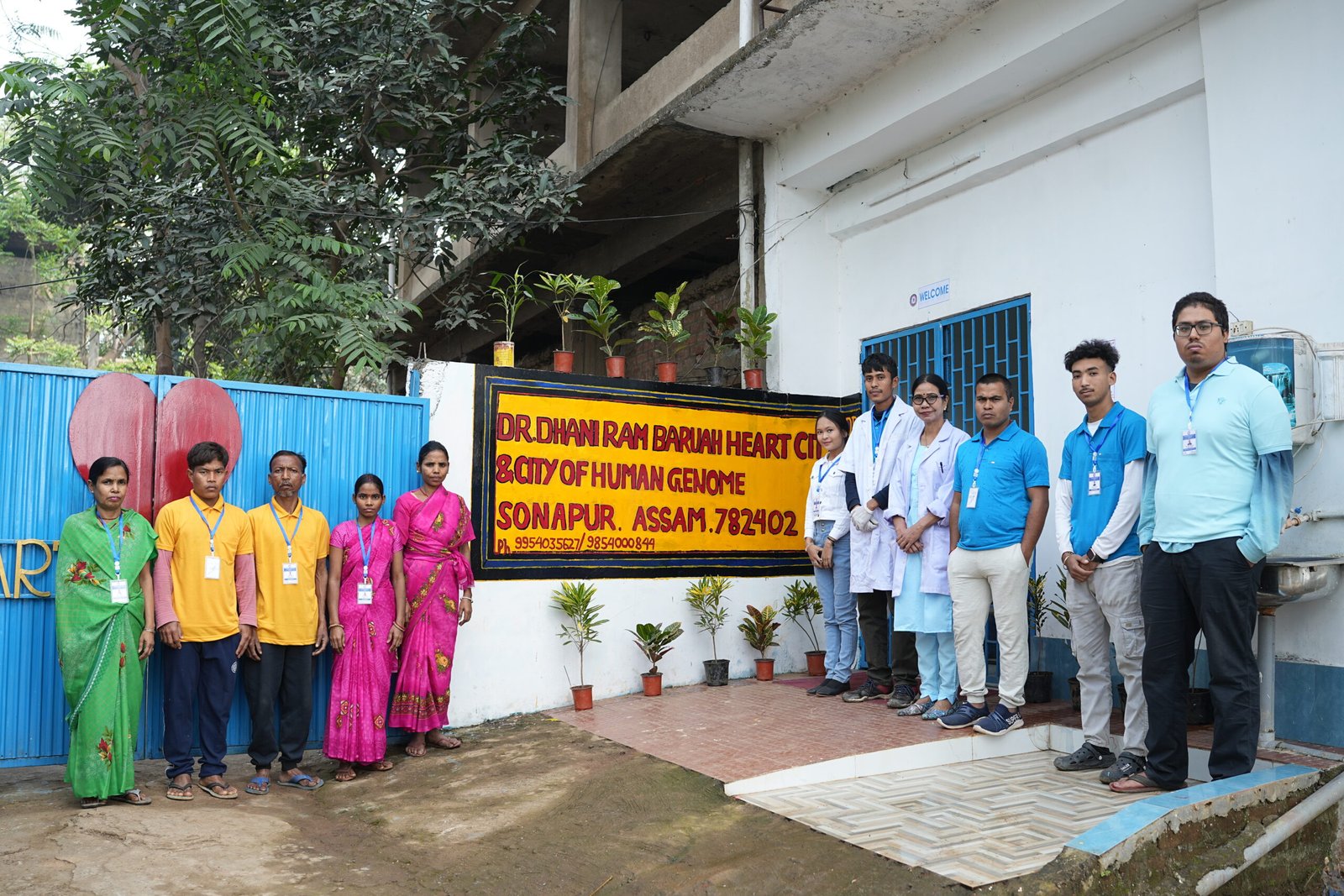
The Dr. Dhani Ram Baruah Heart Institute & Research Centre has officially launched its most ambitious research program to date — the Heart City Genomic Mapping Initiative — aimed at revolutionizing the diagnosis and treatment of complex diseases through precision medicine.


A New Era of Personalized Healthcare

The initiative focuses on total human genomic mapping combined with miRNA profiling, enabling physicians to detect disease at the molecular level and personalize treatment protocols for each individual.

By decoding genetic patterns specific to Indian and indigenous populations, this project seeks to bridge the gap between global research and local healthcare needs.


Objectives of the Initiative

  • Map Genomic Sequences of thousands of patients across Northeast India
  • Identify Gene Mutations linked to chronic and rare diseases
  • Analyze miRNA Expression to understand disease triggers and progression
  • Develop Personalized Therapies based on genetic predisposition
  • Create a National Genetic Database for future drug development and clinical trials

Diseases in Focus

The genomic data will initially target conditions such as:

  • Coronary Artery Disease
  • Pancreatic Cancer
  • Systemic Lupus Erythematosus (SLE)
  • Takayasu Arteritis
  • Moyamoya Disease
  • Baruah Syndrome
  • HIV/AIDS

This will support early detection and custom treatment regimens, reducing trial-and-error in clinical care and increasing success rates.


Technological Edge

Heart City is one of the few centers globally to integrate high-throughput genome sequencing, siRNA gene therapy, and clinical xenotransplantation research under one roof.

Using in-house tools developed by Dr. Baruah — including Combat Genes and ASA (Antigen Suppression Agent) — the center aims to translate genetic data directly into actionable treatments.


Global Collaboration

The initiative has already attracted interest from international partners in genomics and biotech. Discussions are underway with labs in Singapore, Germany, and the U.S. to share data, co-publish findings, and jointly develop targeted therapies for rare genetic conditions.


Dr. Baruah’s Vision

“This is not just about collecting genetic data. It’s about rewriting the way we approach medicine — from treating symptoms to correcting root causes at the genetic level,”
says Dr. Dhani Ram Baruah, who leads the project with a team of molecular biologists, bioinformaticians, and cardiac specialists.